
Free Key BPM Finder Online
Drop in a track and CraftMusic AI works as a key bpm finder, song key finder, bpm finder, Camelot key finder, and music key detector in one browser table. Key, BPM, Camelot, energy, danceability, and mood are visible for every analyzed file.
Drop an audio file here or click to upload. The key bpm finder reads musical key, tempo, Camelot value, energy, danceability, and mood automatically.
Supports common audio files up to 10 minutes
What is a key bpm finder
A key bpm finder analyzes an audio file and returns the song key, BPM, and DJ-friendly Camelot code in one place. CraftMusic AI also shows energy, danceability, and mood, so the result is useful beyond metadata. Use it before remixing, beatmatching, setting a DAW grid, matching samples, planning playlist transitions, or choosing music for video edits.
How to use this key bpm finder
Use the key bpm finder in three simple steps: upload audio, let the browser analysis run, then read key, BPM, Camelot, and feel metrics.
Upload a song or sample
Start with a song, loop, acapella, rehearsal recording, reference track, or rough demo. CraftMusic AI checks that the file is audio and short enough for browser analysis, then sends it to the key bpm finder workflow. You can use the song key finder before a writing session, before a DJ set, or while comparing several local files for a playlist.
Read key BPM and Camelot
The key bpm finder returns the detected musical key, BPM, and Camelot code in one table row. The BPM gives you a tempo target for beatmatching, metronomes, timeline edits, and DAW grids. If you only need a quick manual tempo estimate, use the BPM tapper instead. The song key finder result helps you match samples, choose chord centers, transpose a backing track, or decide whether an acapella and beat belong together.
Compare energy danceability and mood
Energy, danceability, and mood appear beside the core key bpm finder results for every visitor. Use energy to plan intensity, danceability to judge groove strength, and mood to match emotional direction. Those extra readings help DJs shape a set, producers choose references, and editors pick music that fits a scene.
Key bpm finder results for real music workflows
CraftMusic AI turns one upload into a practical key bpm finder table for mixing, sampling, arranging, playlist planning, and content editing.
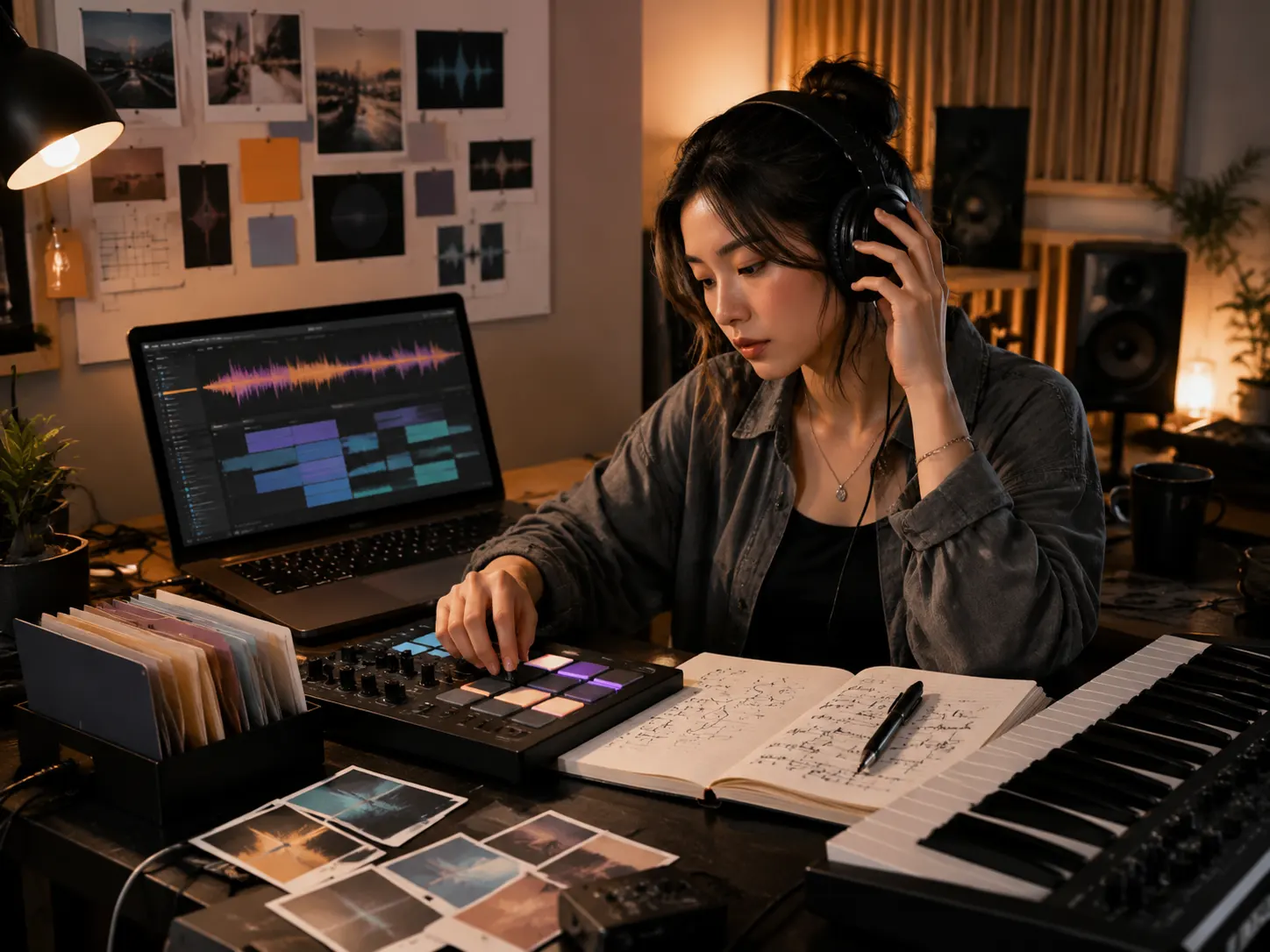
Song key finder for remix and sample matching
Use the song key finder when you need the harmonic center before building around a loop, beat, vocal, or reference. The key bpm finder shows readable keys such as C major, A minor, or F sharp minor, so you can choose compatible chords, pitch a sample with more confidence, and avoid forcing a topline into the wrong range. CraftMusic AI keeps the result visible in the same table as BPM and Camelot, which helps you move from analysis to arranging without opening another tool.
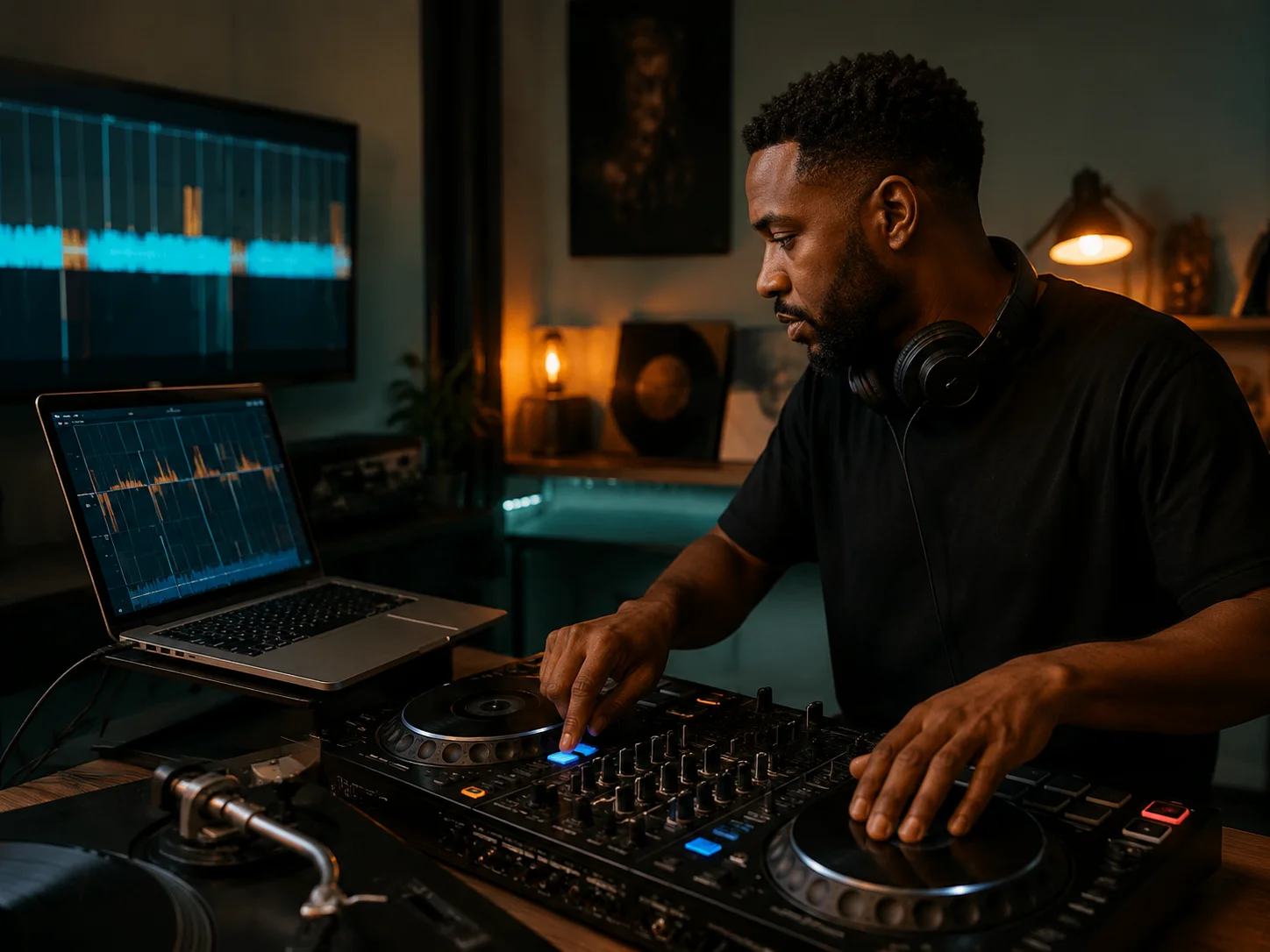
BPM finder for tempo grids and beatmatching
A reliable bpm finder saves time when a track has no clean metadata or when a loop came from a folder with missing labels. The key bpm finder estimates tempo in beats per minute, giving DJs a beatmatching reference and giving producers a DAW grid starting point. For fast tap BPM checks without uploading audio, use the free BPM tapper. For video editors, the same reading helps cuts, motion, and beat drops land together.
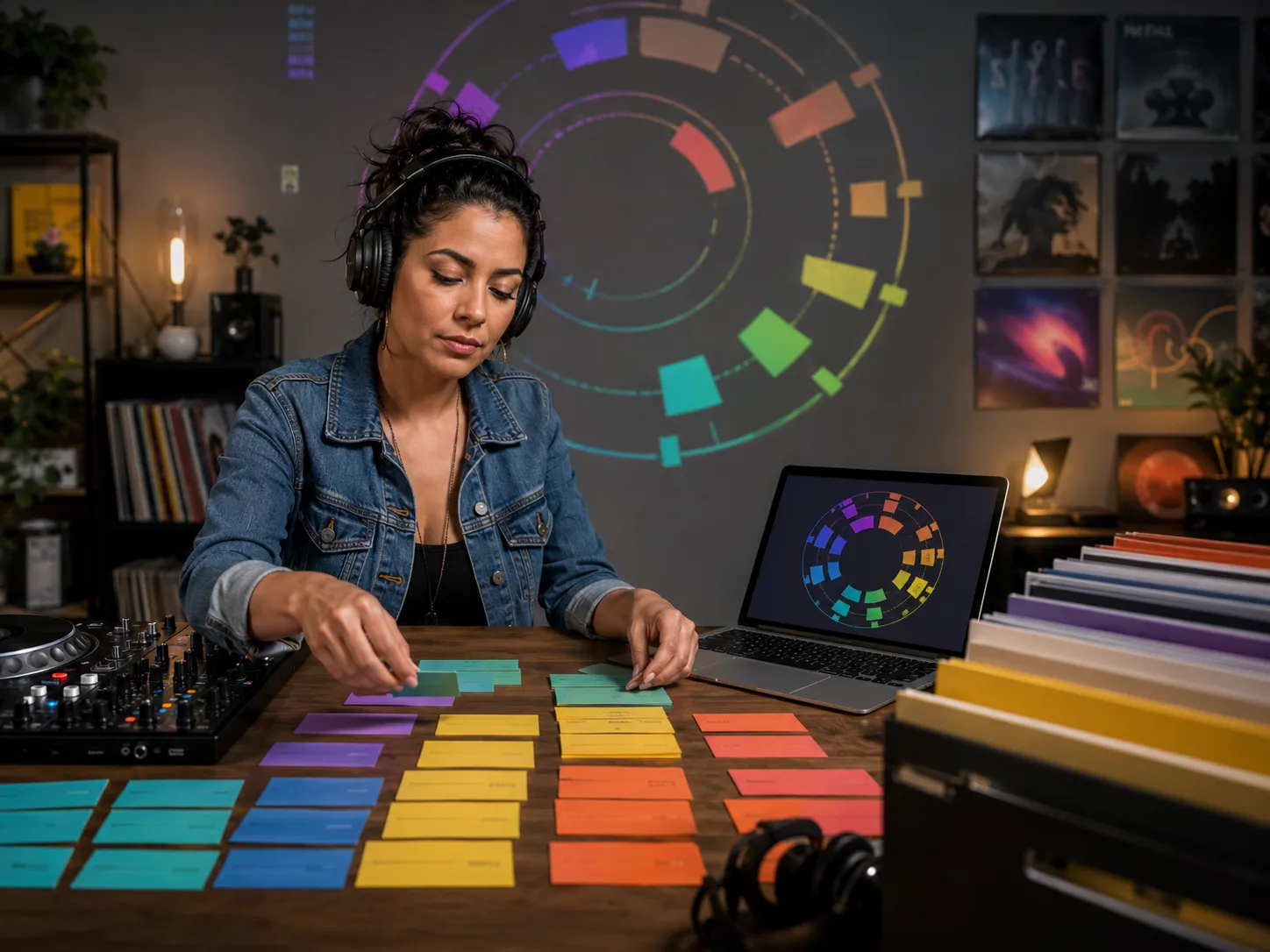
Camelot key finder for harmonic mixing
Camelot codes translate musical keys into DJ-friendly numbers, making harmonic mixing faster to scan. CraftMusic AI works as a Camelot key finder by mapping recognized song key results into values such as 8A or 8B when possible. Use the key bpm finder to group tracks by harmonic neighborhood, find smoother transitions, and avoid clashing melodic blends. Producers can also use Camelot as a quick second language when comparing references from DJ libraries or shared playlists.
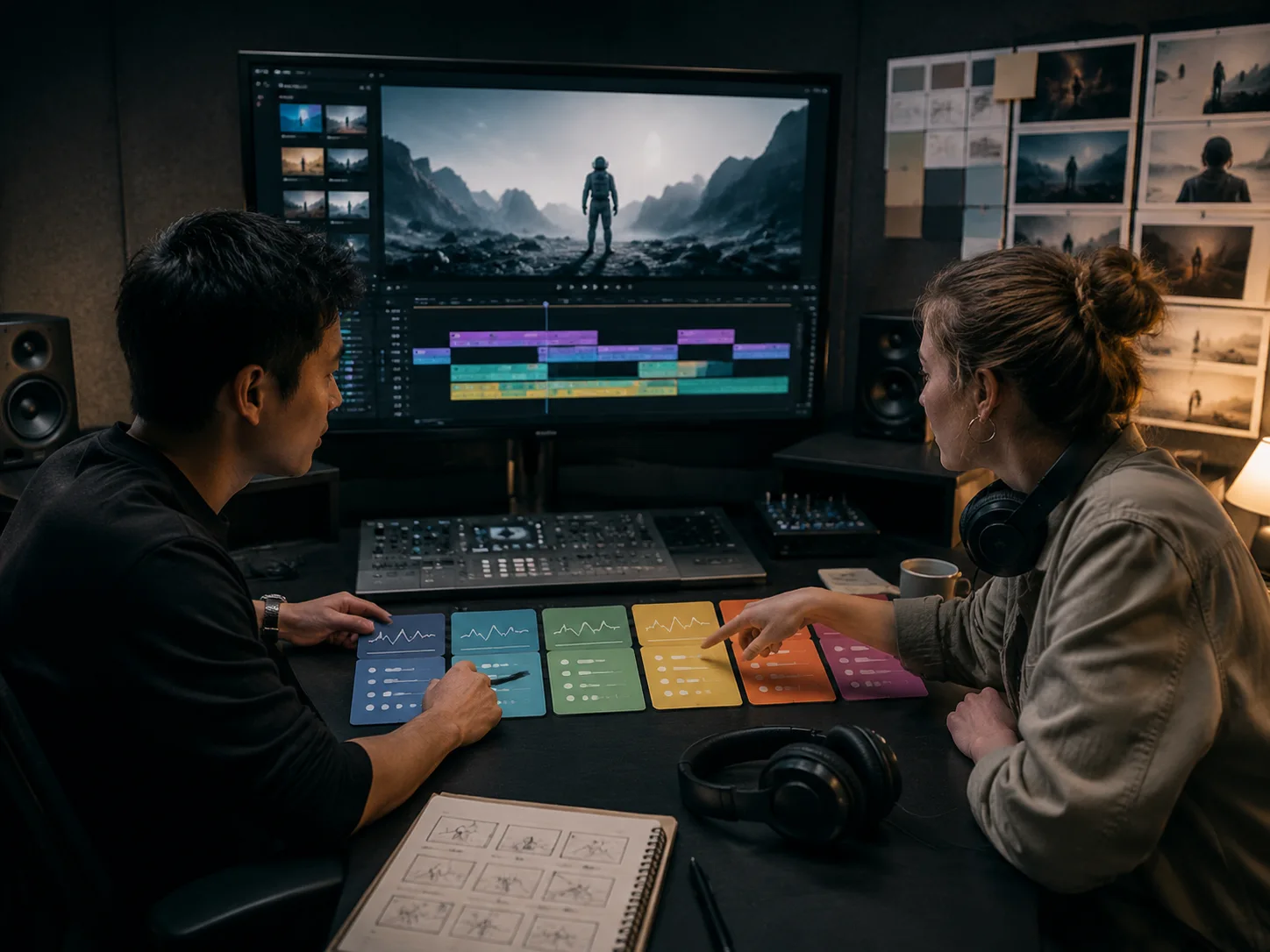
Energy danceability and mood for every visitor
The advanced feel fields are part of the key bpm finder result table, so energy, danceability, and mood are shown for logged-in visitors, logged-out visitors, and anyone checking a track quickly. Energy helps you sort warm-up, peak, and cooldown moments. Danceability points toward groove and movement. Mood gives a quick valence-style cue for brighter or darker material. Together with key, BPM, and Camelot, these metrics make the song key finder useful for playlist flow, reference sorting, and client-ready music choices.
Who uses a key bpm finder
The key bpm finder supports DJs, producers, singers, curators, editors, and creators who need quick musical facts before making the next decision.

DJs preparing harmonic transitions
DJs use the key bpm finder to prepare harmonic sets, test transitions, and sort tracks by tempo, Camelot, energy, and mood. A song key finder is especially useful when promos, edits, bootlegs, or local files arrive without reliable metadata. Read the key and BPM first, then use the Camelot code and energy score to decide where the track belongs in the night.
Producers matching samples and references
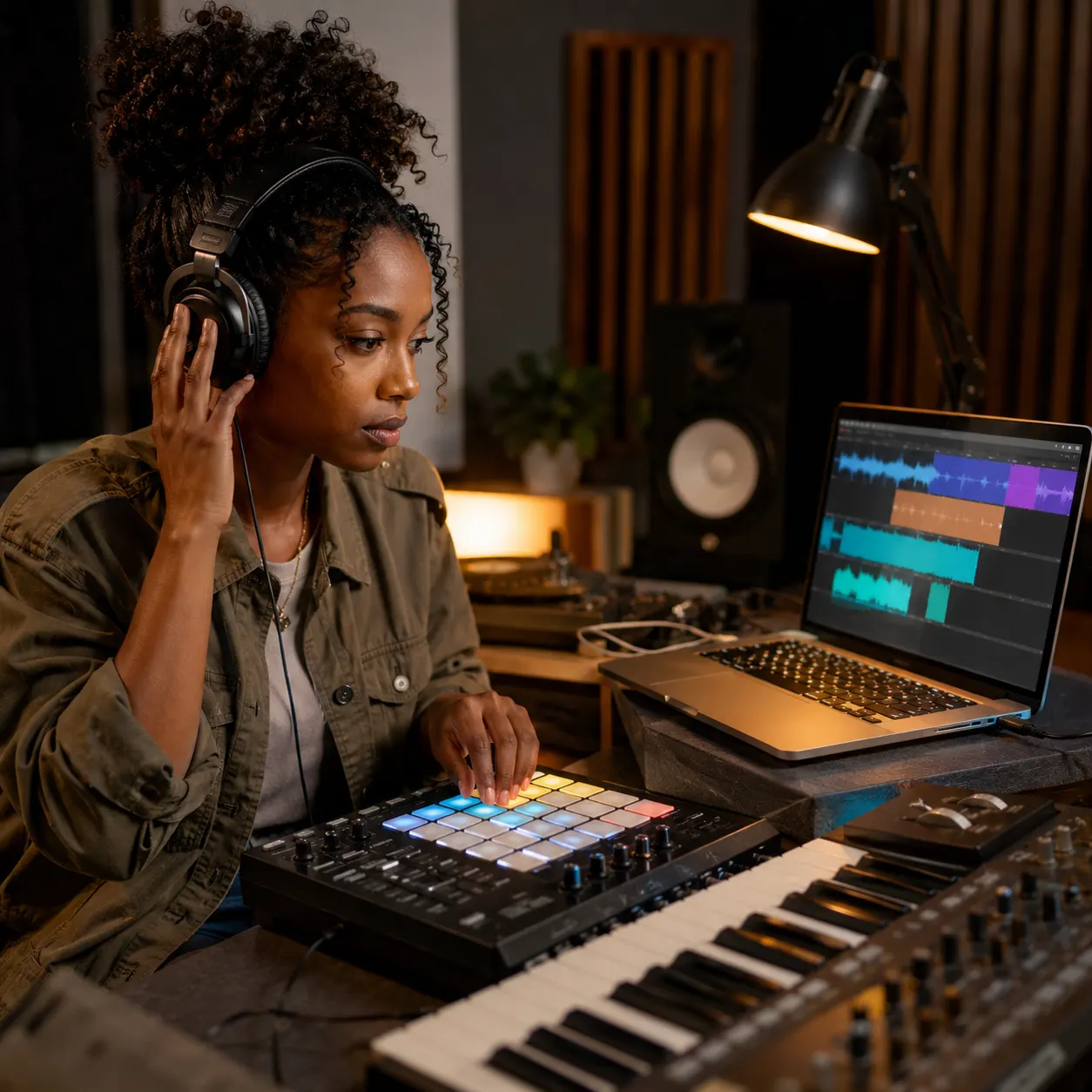
Producers and beatmakers use the key bpm finder before stretching loops, pitching samples, writing basslines, or setting a session tempo. The song key finder result gives you a harmonic lane, while the bpm finder result gives you the grid. Energy, danceability, and mood help compare references, choose the stronger hook direction, and keep a beat folder organized by feel instead of filename.

Curators editors and content creators
Playlist curators, video editors, social creators, and sync-minded teams use the key bpm finder when title and genre tags are not enough. BPM helps pace edits and playlist arcs. Mood helps match a brand video, tutorial, short film, or social clip. Danceability and energy make it easier to place a track before a build, after a drop, or under a scene that needs movement without crowding the edit.
Singers songwriters and music learners
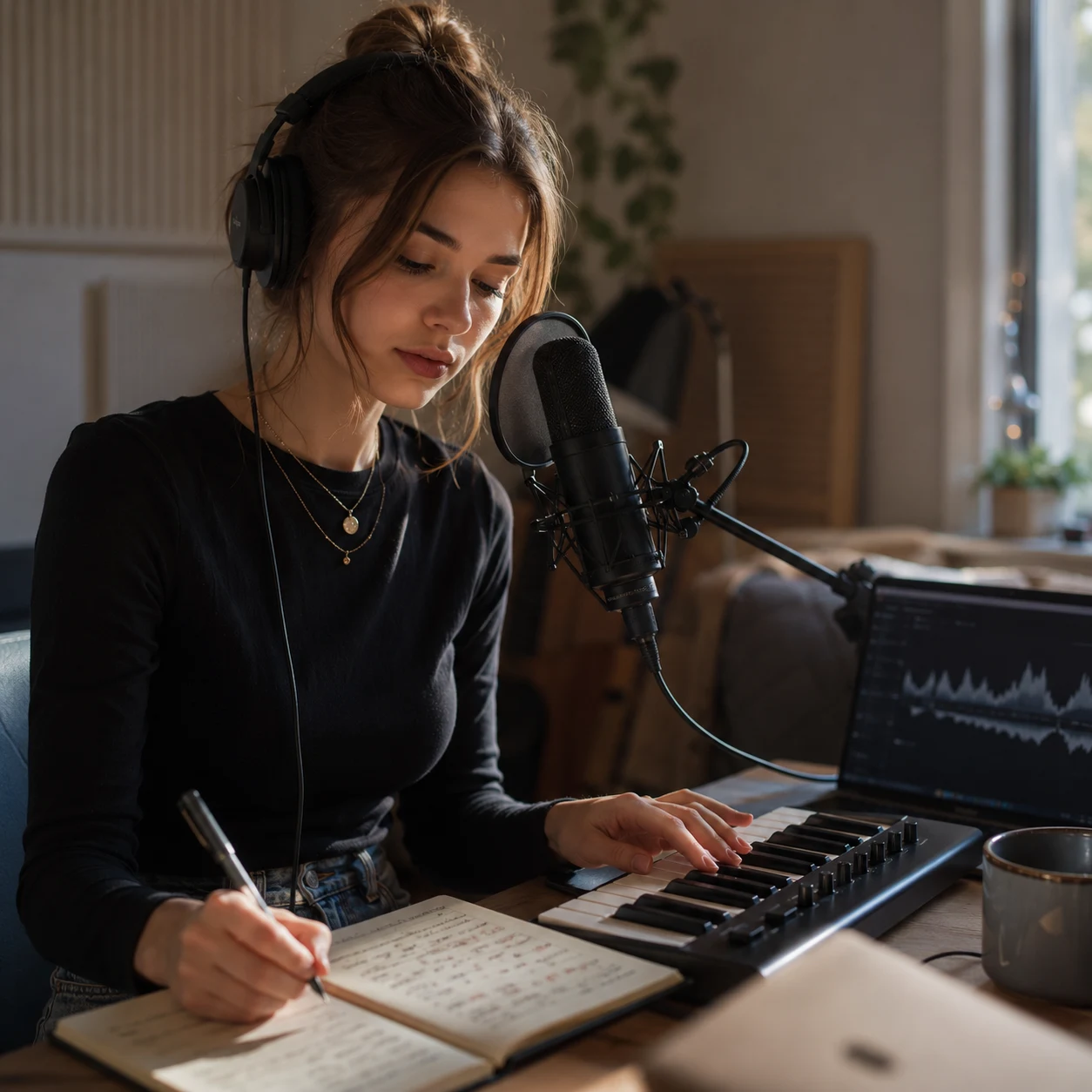
Singers, rappers, songwriters, teachers, and students use the song key finder to check whether a beat, backing track, or recording sits in a comfortable range. The key bpm finder can guide transposition, rehearsal tempo, scale practice, and transcription notes. It is not a substitute for listening, but it gives learners a practical reference before they sit at the piano, open a DAW, or start recording.
Key bpm finder FAQ
Answers about song key finder accuracy, BPM detection, Camelot codes, visible advanced metrics, browser analysis, supported audio, and workflow limits.
Is this key bpm finder free
Yes. CraftMusic AI provides the key bpm finder as a free browser tool. You can upload audio and read key, BPM, Camelot, energy, danceability, and mood in the results table. The advanced fields are visible to every visitor, so the song key finder does not hide energy, danceability, or mood behind a login state.
How does a song key finder work
A song key finder looks at harmonic content across the audio and estimates the most likely tonal center and mode. The CraftMusic AI key bpm finder also estimates tempo, maps recognized keys to Camelot, and runs additional audio models for energy, danceability, and mood. Treat the reading as a strong starting point, then confirm by ear for releases, lessons, or live performances.
How accurate is automatic key and BPM detection
Automatic key bpm finder results are usually useful for produced songs, loops, references, and demos with a stable rhythm and clear harmonic content. Accuracy can drop with live tempo drift, noisy recordings, key changes, heavy effects, sparse harmony, or unusual arrangements. For professional work, use the song key finder and bpm finder readings as practical estimates and verify the final decision with listening.
What is a Camelot key finder
A Camelot key finder converts a detected musical key into a DJ-friendly Camelot code. For example, many DJs use neighboring Camelot values to plan harmonic mixing and reduce clashes between melodies. CraftMusic AI includes Camelot in the key bpm finder table when the detected key can be mapped, so you can scan compatibility beside BPM, energy, danceability, and mood.
What do energy danceability and mood mean
Energy describes intensity, weight, and drive. Danceability points toward groove and movement. Mood gives a quick emotional cue, often similar to brighter or darker valence. In CraftMusic AI, these values appear in the key bpm finder table for every analyzed file. They help you move beyond key and BPM when planning a DJ set, sorting references, or choosing music for an edit.
What audio files can I upload
The key bpm finder accepts browser-supported audio files and checks file type, size, and duration before analysis. Common song, demo, loop, and sample formats should work when your browser can decode them. If a file fails, export a clearer MP3, WAV, M4A, or another standard audio format, then run the song key finder again.
Can I use this key bpm finder for DJ sets
Yes. DJs can use the key bpm finder to prepare harmonic transitions, compare tempo ranges, and build a smoother energy curve. Start with the song key finder result, check Camelot for harmonic mixing, then compare BPM, energy, danceability, and mood to decide whether a track fits warm-up, peak-time, transition, or cooldown sections.
Can I analyze Spotify YouTube or streaming tracks
The key bpm finder analyzes audio files you upload through the browser. It does not directly inspect a Spotify, YouTube, or streaming URL. Use audio only when you have the right to analyze it, export or record a lawful local file, then upload that file to the song key finder for key, BPM, Camelot, energy, danceability, and mood.